Multilayer polyolefin coatings
Multi-layer polyethylene (PE) and polypropylene (PP) coatings are applied to steel pipes as a combination of thermoplastically curing resins, copolymer adhesion promoters, and thermoplastics. Pipes coated in this way have high electrical resistance. Together with cathodic protection, the pipes achieve a service life that far exceeds normal specifications.
Multilayer PE and PP coatings develop their full anti-corrosive effect even at a layer thickness of less than 1 mm. However, the coatings are usually thicker than this, protecting the pipe from mechanical stress caused by shear or compressive forces during transport and installation.
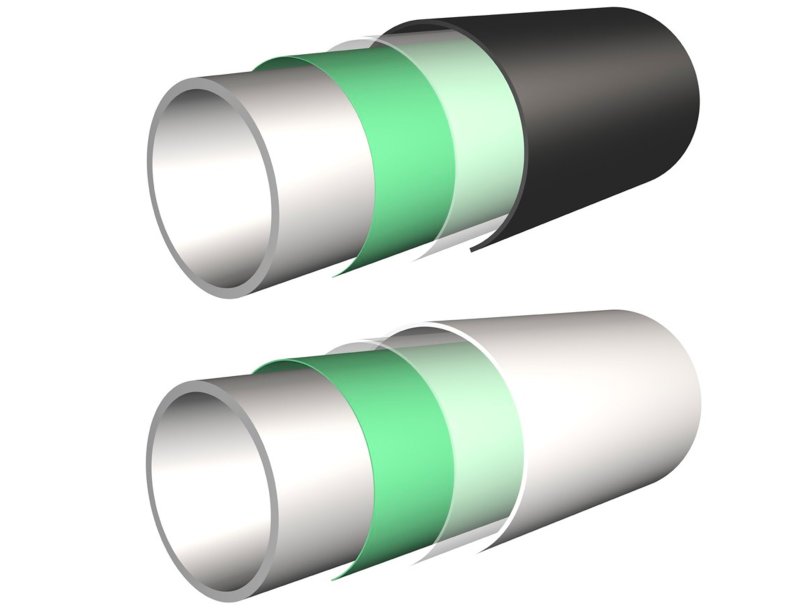
Thicker coatings are applied where the pipes are subject to particularly high stress and strain. PE is the optimal base solution, while PP allows higher service temperatures and also has better mechanical properties in terms of pressure and notch impact resistance.
Our coatings are designed to withstand operating temperatures of up to 120 °C. The material used and the different layer thicknesses in the process are important factors here.
Fusion Bonded Epoxy (FBE) Coatings
FBE coatings are thermoreactively cured layers of epoxy resin applied using electrostatic spray guns. They protect large pipes from corrosion.
FBE can be used at service temperatures of up to 110 °C; the typical coating thickness is 350 to 450 µm. Additional layers of epoxy can be applied as special protection against mechanical stress. We refer to this process as “dual FBE coating” or “abrasion resistant overcoat (ARO)”.
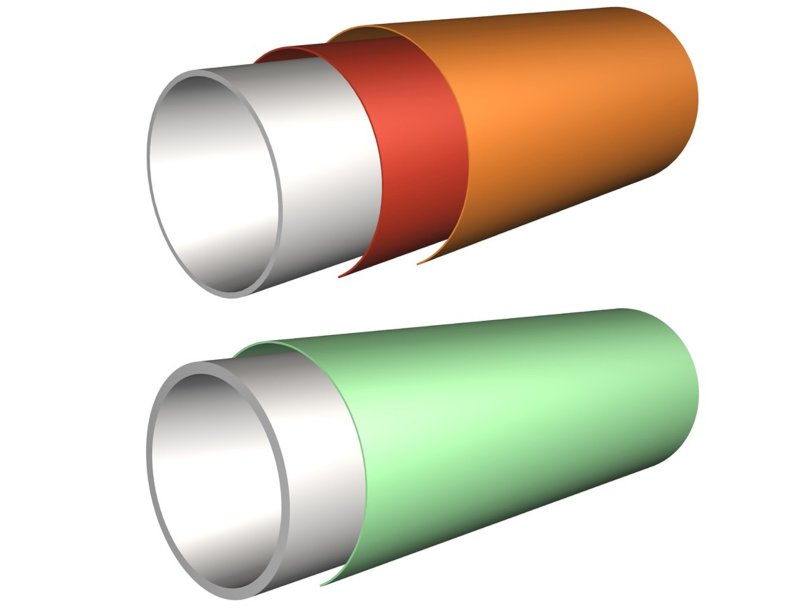
FBE DOUBLE LAYER:
The first layer of epoxy powder, which serves as corrosion protection, is applied with electrostatic spray guns in layer thicknesses between 250 and 275 μm.
The second layer, which now provides mechanical protection, is applied with electrostatic spray guns in layer thicknesses between 375 and 625 μm.
FBE SINGLE LAYER:
Epoxy powder is applied with electrostatic spray guns in layer thicknesses between 350 and 450 μm.
Production process for the external coating

Pre-heating

Blasting

Visual inspection
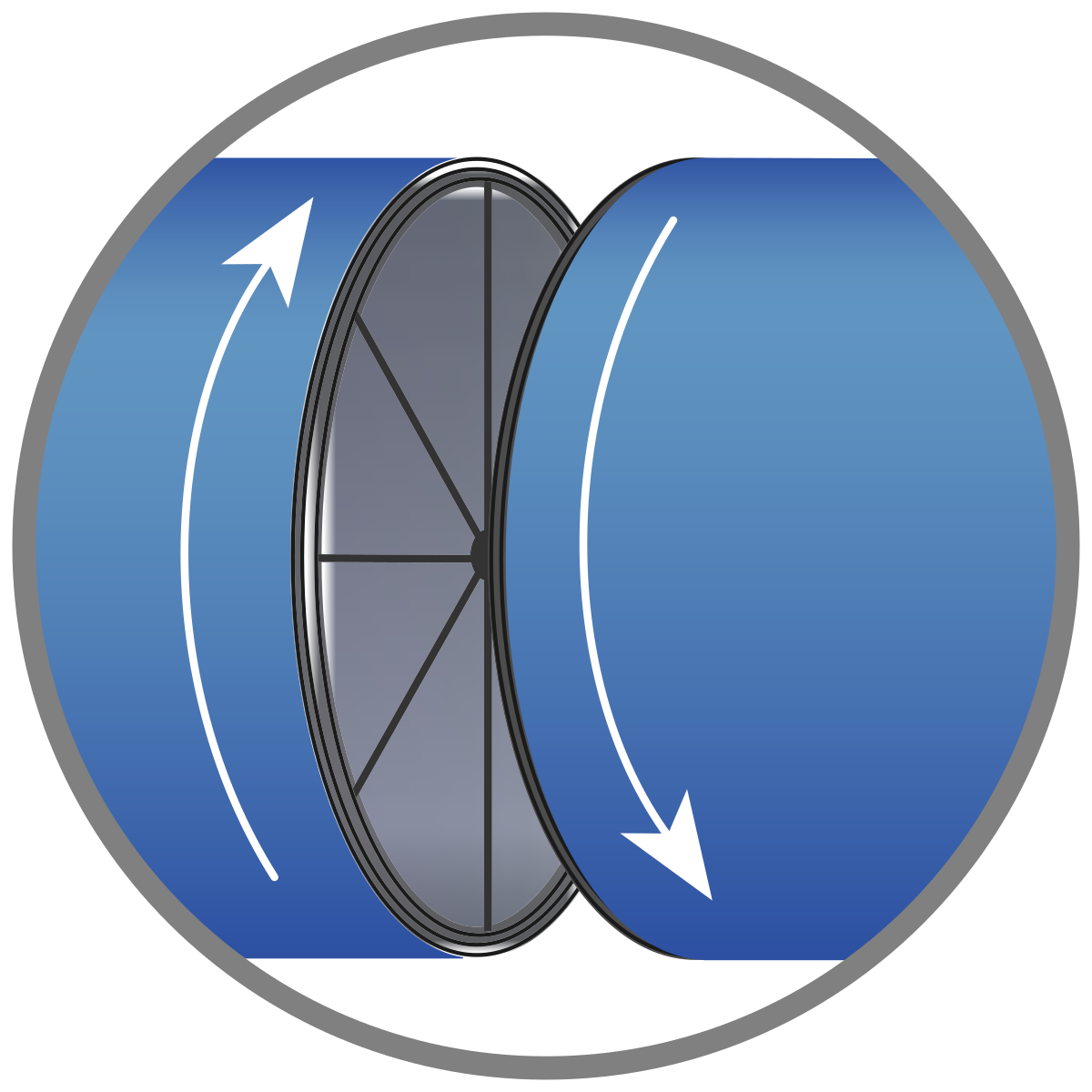
Coupling

High-pressure washing

Surface preparation

Heating
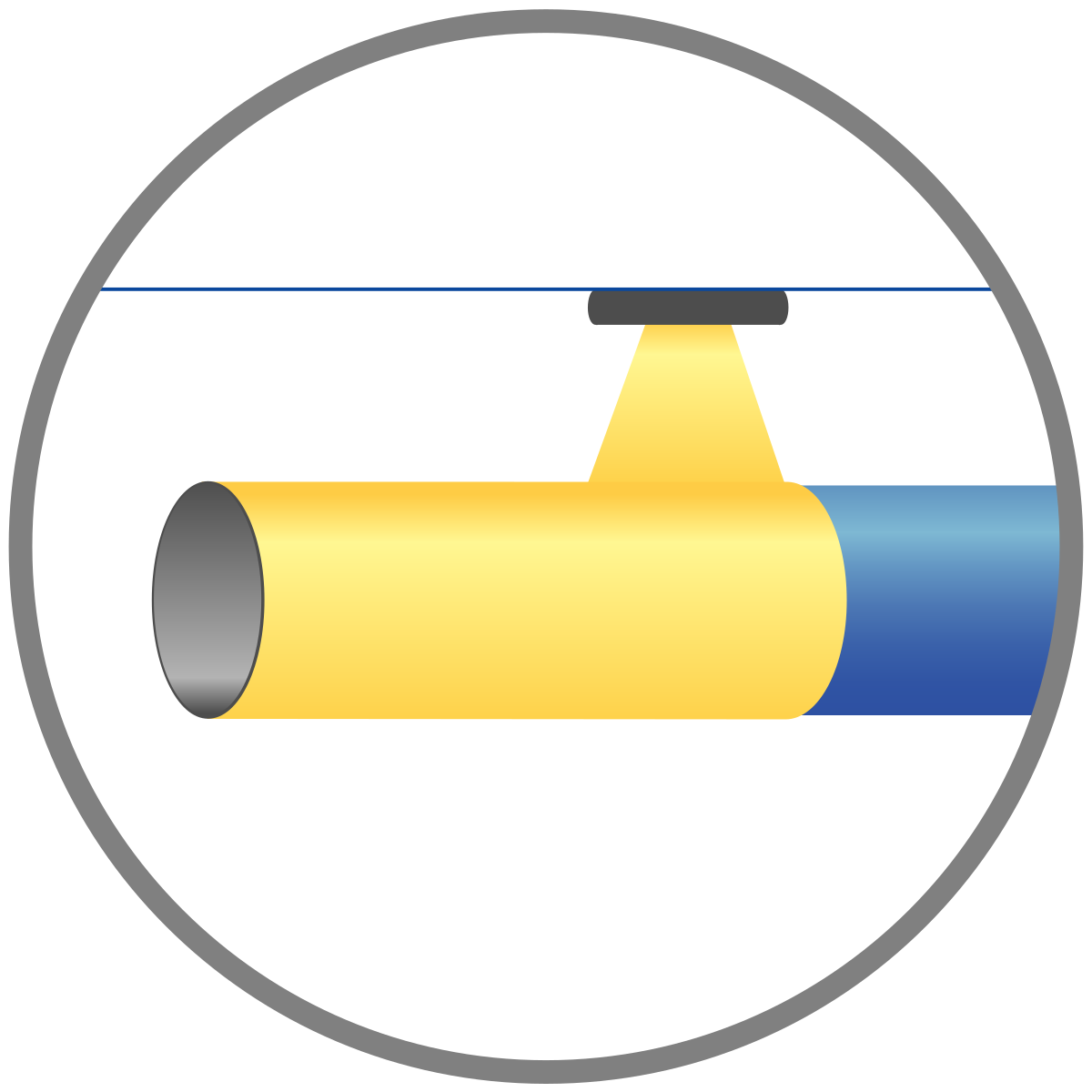
FBE application
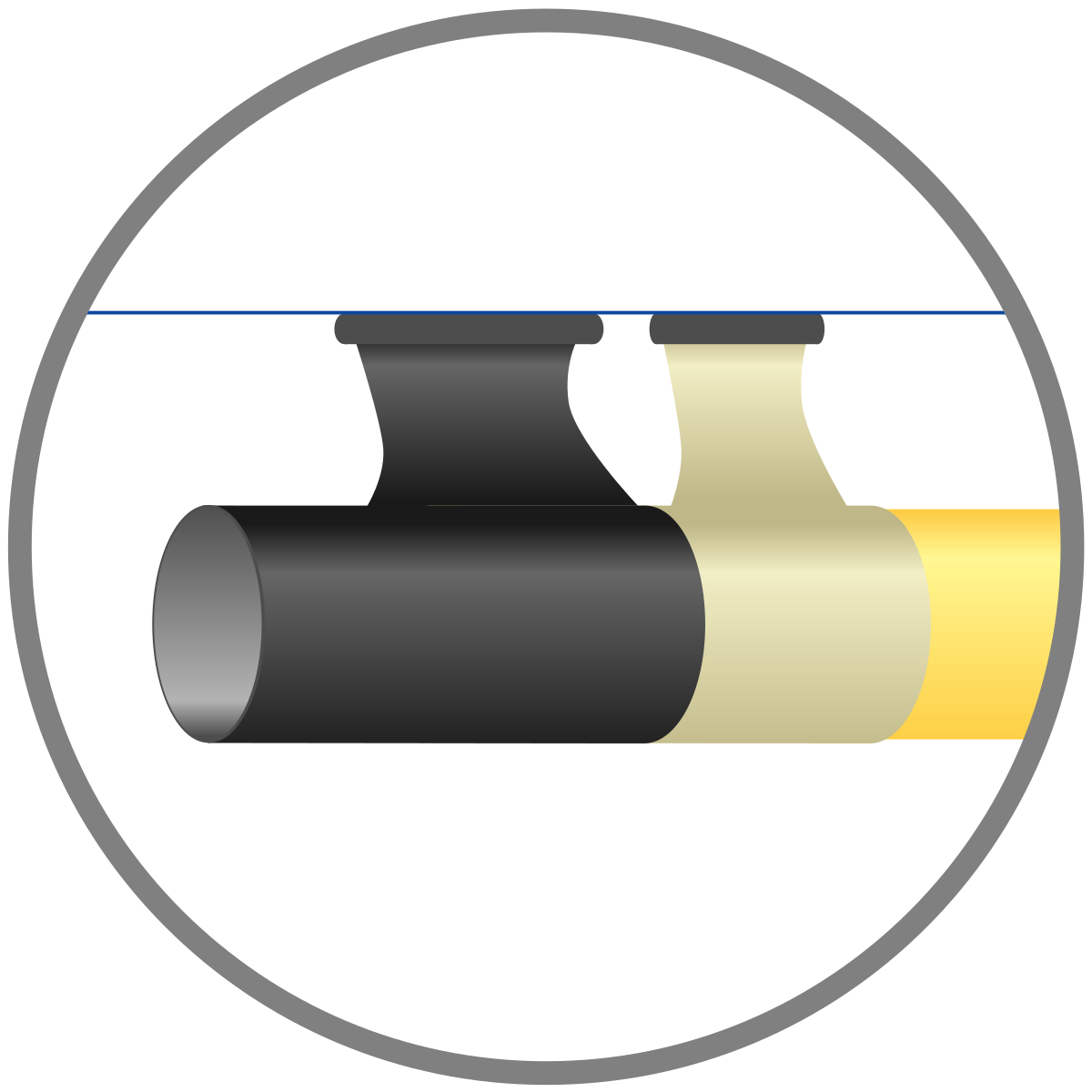
3-Layer PP/PE

Cooling

Visual control

Holiday Detector

Cut-back preparation

Testing
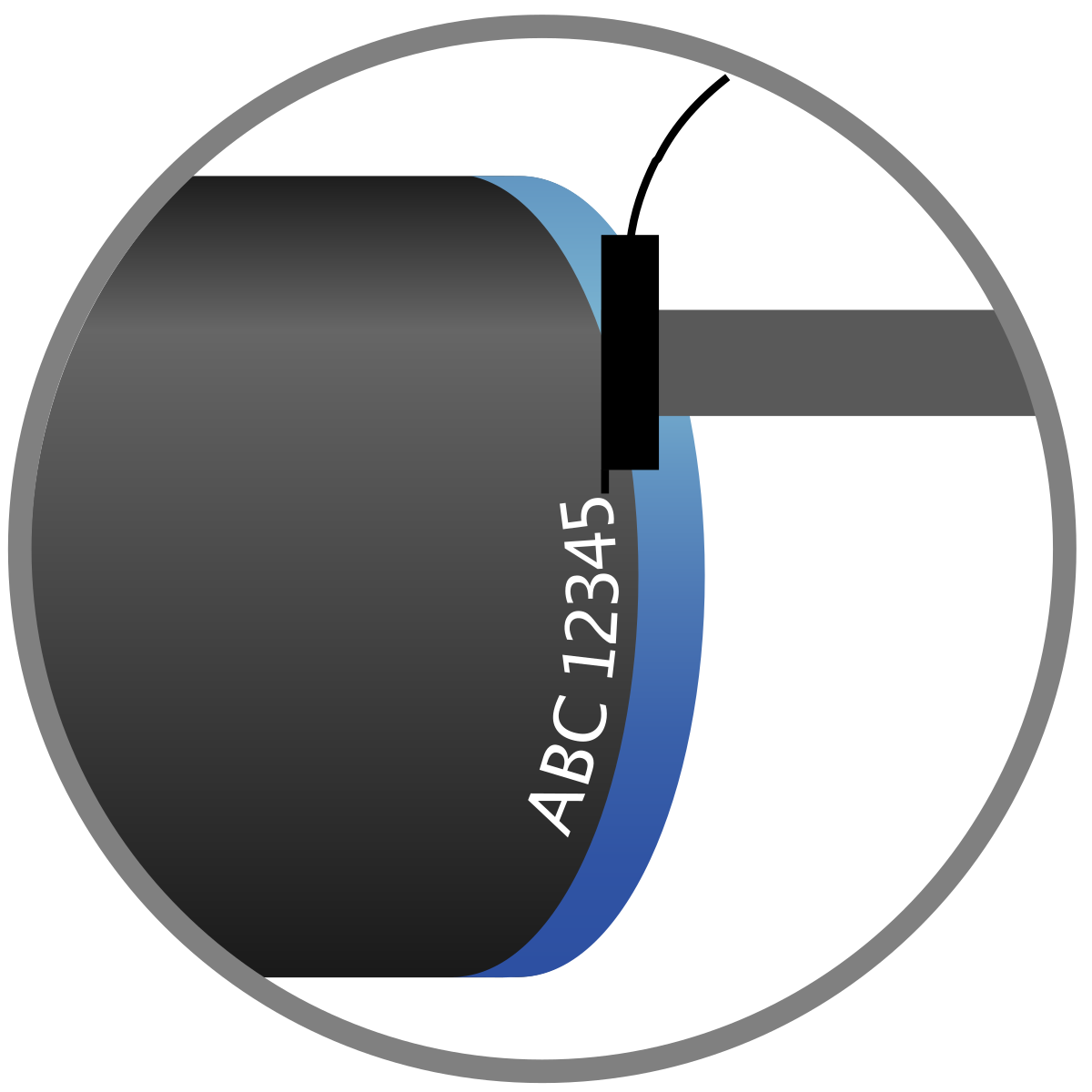
Marking

Preparation of test certificates
Transport